
Tempranillo
The Spanish Sensation
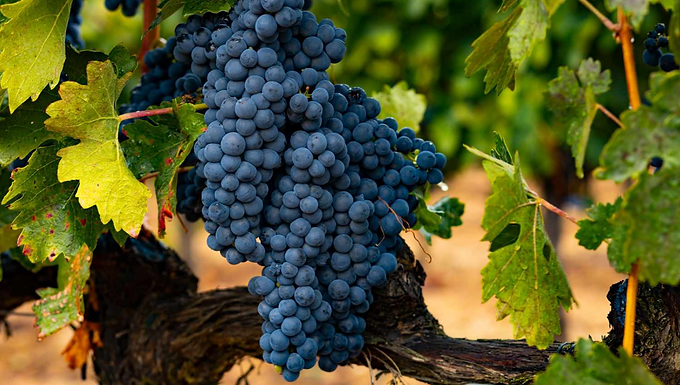
History and Heritage: Tempranillo is a relatively recent addition to the Hunter Valley's viticultural landscape. This Spanish grape variety, best known as the primary component of Rioja wines, was introduced to the Hunter Valley in the late 20th to early 21st century. Its cultivation in the region represents part of a broader trend in Australian winemaking to experiment with Mediterranean varieties better suited to warm climates. While not as historically significant as Shiraz or Semillon, Tempranillo has quickly gained popularity among both winemakers and consumers in the Hunter Valley.
Terroir and Climate: Tempranillo has shown a remarkable ability to adapt to the Hunter Valley's warm, sometimes humid climate. The grape's thick skin and early ripening characteristics make it well-suited to the region. It performs well in various soil types found in the Hunter, from the sandy loams of the valley floor to the volcanic soils of higher elevations. Tempranillo's ability to maintain good acidity and develop complex flavours in warm conditions allows it to produce distinctive wines that reflect the Hunter Valley terroir.
Tasting Profile: Hunter Valley Tempranillo typically presents a deep ruby to purple colour. On the nose, it offers aromas of red and black fruits, particularly cherry and plum, often complemented by notes of leather, tobacco, and sometimes hints of vanilla or dill from oak ageing.
On the palate, Hunter Tempranillo tends to be medium to full-bodied with moderate to firm tannins. The flavour profile usually features ripe red fruits, with cherry and raspberry dominating, often accompanied by savoury notes of leather and spice. The wine's natural acidity provides balance to the fruit flavours and tannins. The finish is typically long and complex, with a pleasant interplay of fruit, oak, and earthy elements.
Winemaking Techniques: Hunter Valley winemakers employ various techniques to craft distinctive Tempranillos. The grape's thick skin allows for extended maceration periods, extracting deep colour and rich tannins. Some producers use cold soaking before fermentation to enhance colour extraction and fruit flavours.
Maturation often occurs in oak barrels, with both French and American oak being used. The oak treatment varies, with some winemakers opting for subtle oak influence to preserve the grape's varietal character, while others use more new oak for added complexity and structure.
Food Pairings: The full body and rich flavours of Hunter Valley Tempranillo make it an excellent match for a wide range of dishes. It pairs exceptionally well with grilled and roasted meats, particularly lamb and beef. Its savoury notes complement tapas-style dishes, cured meats, and aged cheeses. The wine's acidity also makes it suitable for tomato-based dishes and hearty stews.
Ageing Potential: Hunter Valley Tempranillos often have good ageing potential. While many are enjoyable in their youth, well-made examples can age gracefully for 8-10 years or more. With age, the primary fruit flavours evolve, developing more complex tertiary aromas of leather, tobacco, and earthy notes.
Notable Producers: Several Hunter Valley wineries have embraced Tempranillo, recognizing its potential in the region. Producers like Dalwood Estate and Mount Pleasant have included Tempranillo in their portfolios. Other wineries such as Elbourne Wines and smaller boutique producers have also found success with this variety, often producing it as both a single-varietal wine and as part of interesting blends.
Hunter Valley Tempranillo represents a successful integration of an Old World grape variety into a New World wine region. It offers a unique expression of the Hunter Valley terroir, producing wines of depth, structure, and complexity. For wine enthusiasts seeking to explore the diversity of Hunter Valley wines, Tempranillo provides an intriguing bridge between the region's traditional varieties and its future potential. It showcases the Hunter Valley's capacity for innovation and its ability to produce high-quality wines from non-traditional varieties that are well-suited to its climate and soils.
